Thomo cockfighting has become a distinctive form of entertainment that attracts considerable attention from enthusiasts. GK88 provides viewers with broader information about this traditional competitive format and its notable characteristics. Understanding the match structure and rooster traits allows audiences to follow each contest with greater clarity.
Overview of the Thomo cockfighting entertainment format
Thomo cockfighting refers to rooster matches held at organized fighting venues in Cambodia. These contests generally follow established procedures and operate under local oversight at the respective venue. Audiences using GK88 can follow available match information and observe the development of each contest through live coverage.

Around 30 to 50 pairs of selected roosters may compete during a busy day at the venue. The fighting facilities are designed to support organized matches while providing designated areas for participants and viewers. Before entering the ring, competing roosters can undergo checks according to the procedures established by the event organizers.
Thomo cockfighting attracts viewers through its direct competition, distinctive fighting styles, and clearly organized match structure. Each contest features two roosters competing under predetermined conditions at the designated arena. Audiences can observe movement, attack patterns, stamina, and defensive techniques throughout each round.
Basic competition rules at Thomo cockfighting venues
Understanding the regulations allows viewers to follow the progress of each round more clearly. Match organizers establish rules covering weight, duration, breaks, and conditions for determining results. These requirements are intended to create a consistent framework for the contests held at the venue.
Rooster weight class regulations
A Thomo cockfighting match generally begins after the competing roosters have been assessed for comparable body weight. Organizers may conduct public weighing procedures before the contest begins. Depending on the event, competing birds can be separated into several weight categories.
The permitted difference between two opponents may remain within a specified range according to venue regulations. When a rooster exceeds the applicable weight requirement, organizers may cancel or rearrange the contest. Viewers can therefore pay attention to the published weight information when following the scheduled matches.

| Competition class | Required weight (kg) | Preparation time (minutes) |
| Lightweight | Below 2.5 | 10 |
| Middleweight | 2.5 to 3.2 | 15 |
| Heavyweight | Above 3.2 | 20 |
Match duration and result determination
Each round in Thomo cockfighting can last for a maximum of 15 minutes under the stated competition rules. If both roosters remain capable of continuing, another round may begin after the scheduled interval. A five-minute rest period is commonly provided between rounds for preparation and recovery.
A rooster may lose when it runs away or becomes unable to stand and continue competing. When neither rooster can mount an effective attack for the specified period, the contest may be recorded as a draw. Viewers can observe stamina, movement, and defensive ability to better understand how each match develops.
The referee or event officials determine the result according to the conditions established before each match. Viewers should follow the official decision rather than relying solely on individual observations. Clear knowledge of these conditions makes Thomo matches easier to understand and follow.
Common spur-fighting formats
Some Thomo cockfighting contests use metal or blade-shaped spurs attached to the rooster’s legs. These implements can increase the severity of contact and may make individual exchanges extremely short. Precise strikes can end a contest quickly, creating sudden changes in the match.
Spurs are typically produced from durable metal materials designed for the specific competition format. Organizers may inspect the equipment and its dimensions before allowing the rooster to enter the arena. Viewers can also observe how handlers prepare the equipment before the scheduled contest begins.
Methods for analyzing roosters in Thomo cockfighting
Observing physical characteristics is traditionally considered one way to assess a rooster before competition. Experienced enthusiasts may examine biological features, previous performances, and visible conditions when discussing competitive ability. Such observations remain subjective and cannot guarantee the outcome of a future match.
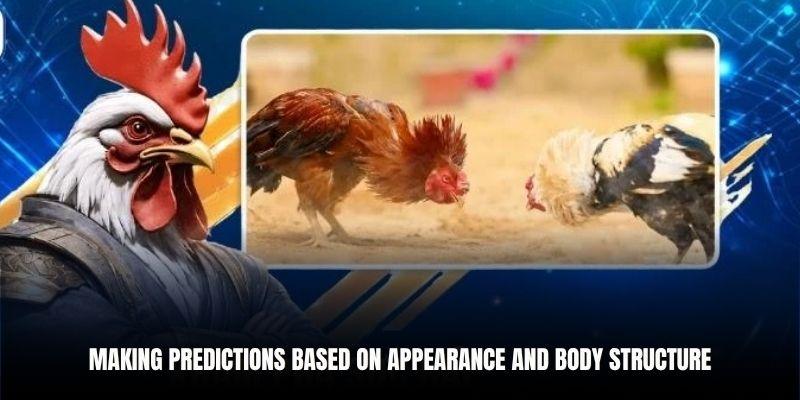
Assessing appearance and body structure
A competitive rooster in Thomo is often described as having an alert appearance and firm physical structure. A strong-looking neck and balanced body are commonly mentioned when enthusiasts assess physical condition. Roosters displaying obvious fatigue or drooping wings may receive less attention during pre-match observation.
Observers can also examine the rooster’s posture, leg strength, feathers, and overall movement before the contest. These visible features provide additional references when enthusiasts compare the physical condition of different fighting roosters.
Examining leg scales to identify notable roosters
The leg scales of a rooster are another traditional feature discussed by enthusiasts of Thomo cockfighting. Certain scale patterns, including forms traditionally called “An Thien” or “Doc Giap,” are sometimes associated with distinctive fighting characteristics. These interpretations come from traditional experience rather than scientifically established evidence.
Observers may examine both sides of the legs when identifying unusual scale arrangements. They can compare the visible patterns with traditional descriptions used by experienced rooster enthusiasts. However, scale appearance alone cannot establish whether a rooster will prevail in a particular contest.
Selecting through Thomo cockfighting match history
Previous match records can provide useful background when audiences assess a rooster’s competitive history. A bird with three or four consecutive victories may attract attention because of its recent performance record. However, previous results cannot ensure the same outcome in a future contest.
- American gamefowl are commonly associated with fast striking speed and aggressive movement. Their rapid approach and active attacking style are often considered notable features during competitions.
- Asil roosters are traditionally noted for stamina, physical strength, and powerful kicking ability. Their firm body structure and persistent movement can attract attention during longer contests.
- Vietnamese bantams are often recognized for agility, quick movement, and evasive techniques. Their compact build allows them to move flexibly and respond quickly to attacks from opponents.
Conclusion
Thomo cockfighting represents a highly competitive rooster-matching format with distinctive rules, physical classifications, and traditional evaluation methods. Bắn cá GK88 provides information about match structures, competition procedures, and characteristics commonly discussed by enthusiasts. Readers should treat traditional prediction methods as references rather than guarantees when assessing the outcome of any individual contest.